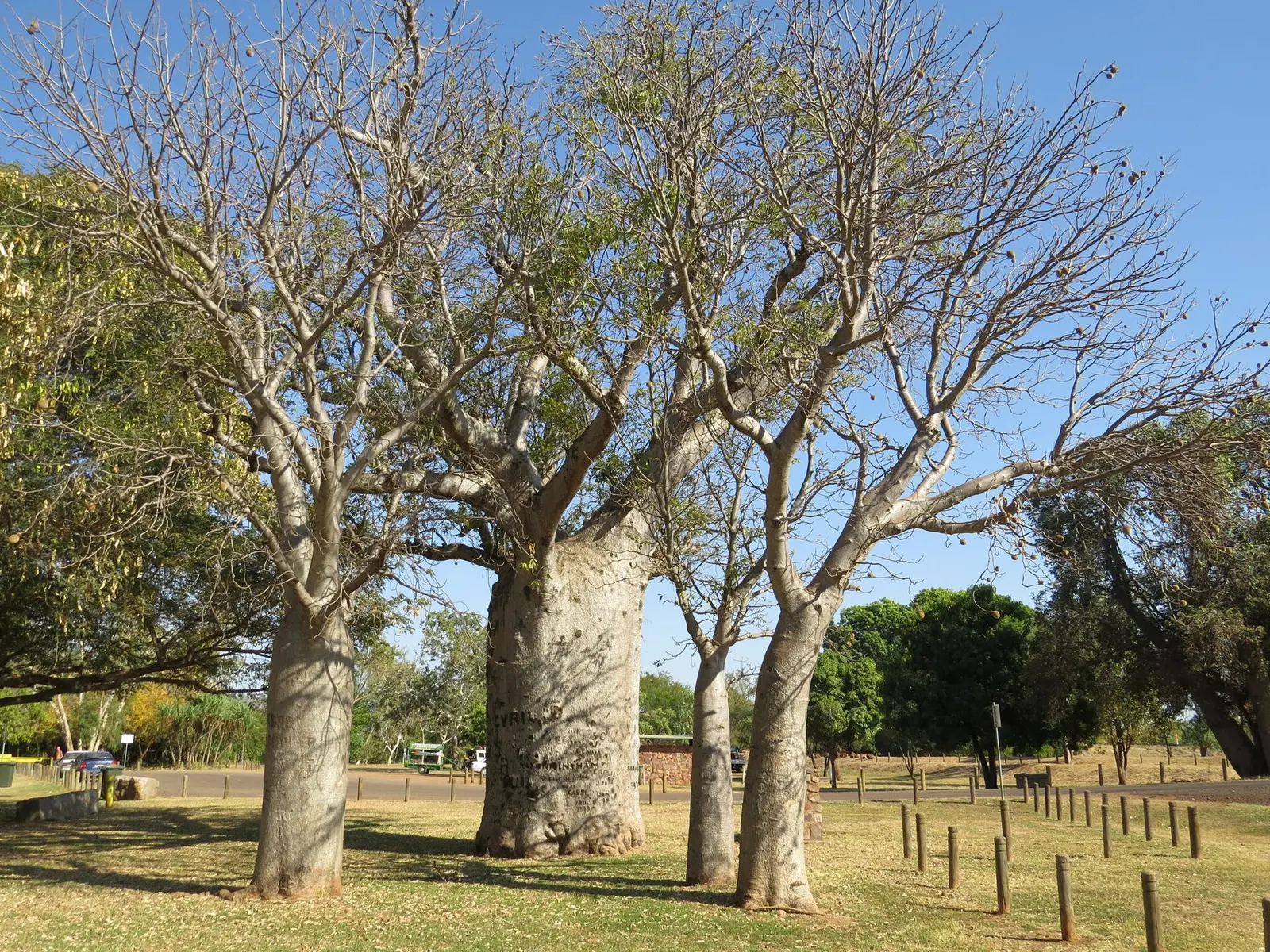
Australian Baobab (Boab) (Adansonia gregorii)
- Native to
- Australia
- Height
- About 30 ft
- IUCN status
- Not evaluated
- Also called
- Boab, Dead Rat Tree, Gouty Stem Tree, Kuruwan, Jamulang, Gadawori
- Synonym
- Adansonia gibbosa
The single species of Baobab endemic to Australia, these historic trees thrive in the harsh dry conditions of Northwest Australia.
The Australian baobab, assumed to be a variation of baobab carried across the ocean from Madagascar not too long ago (geologically speaking), is a smaller variety of Baobab. They often grow multiple swollen trunks and typically tap out around 30 feet tall.
The bark is lighter than many of its cousins, with an orange tint. The palmate leaves can vary from hairy to smooth, with 5 to 9 leaflets. The flowers are pale cream and green, like its African cousin.
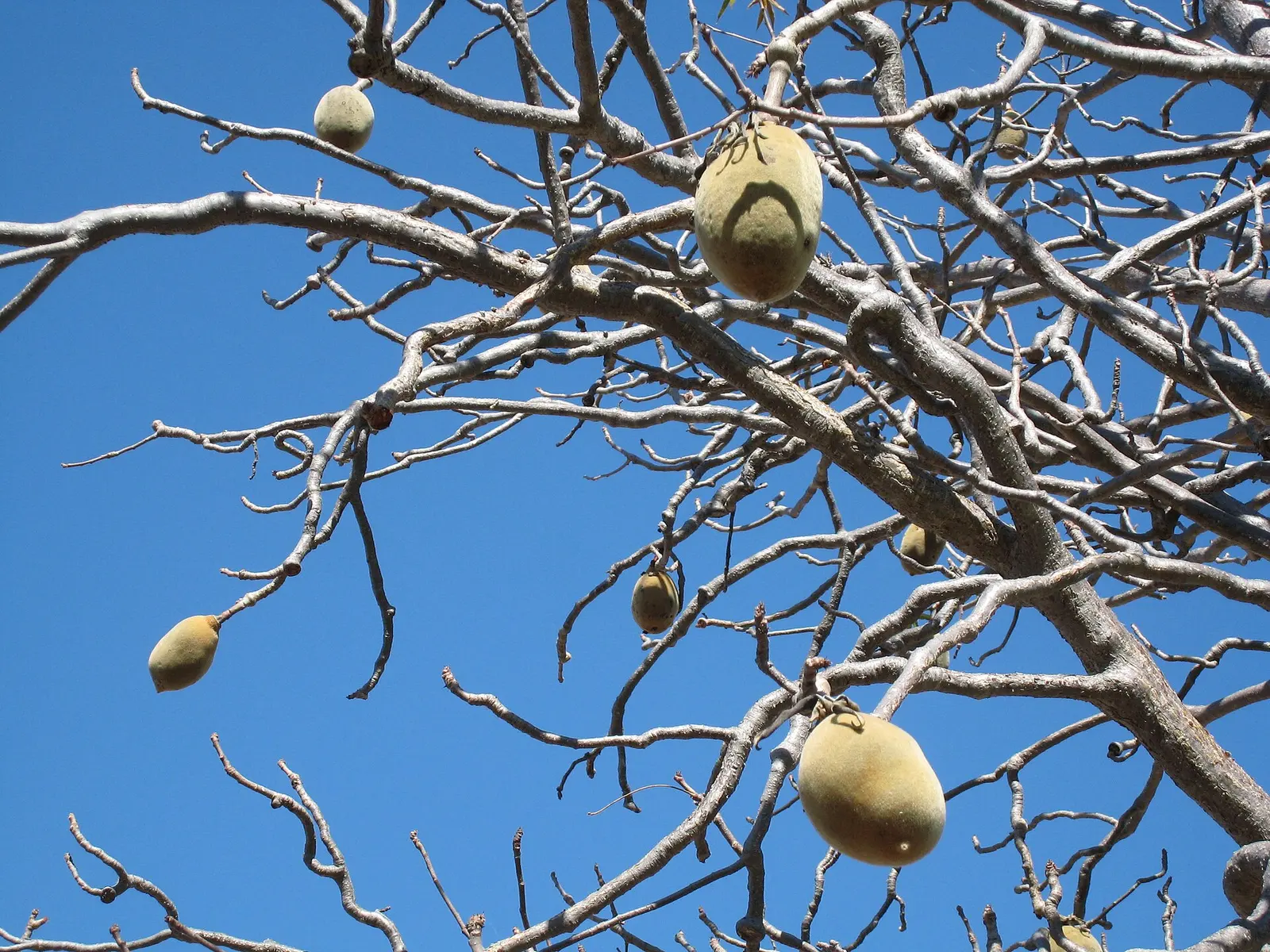
The drying fruit hanging low beneath the branches after the leaves have fallen give the tree its popular Australian name: The Dead Rat Tree. The brittle and thin pericarp usually cracks open before the fruit falls.
Gregorii baobabs have not been evaluated for conservation status. They are only found in the Northwest in the Kimberley and the Victoria River basin. They are miraculous survivors of wildfires.
Growing gregorii
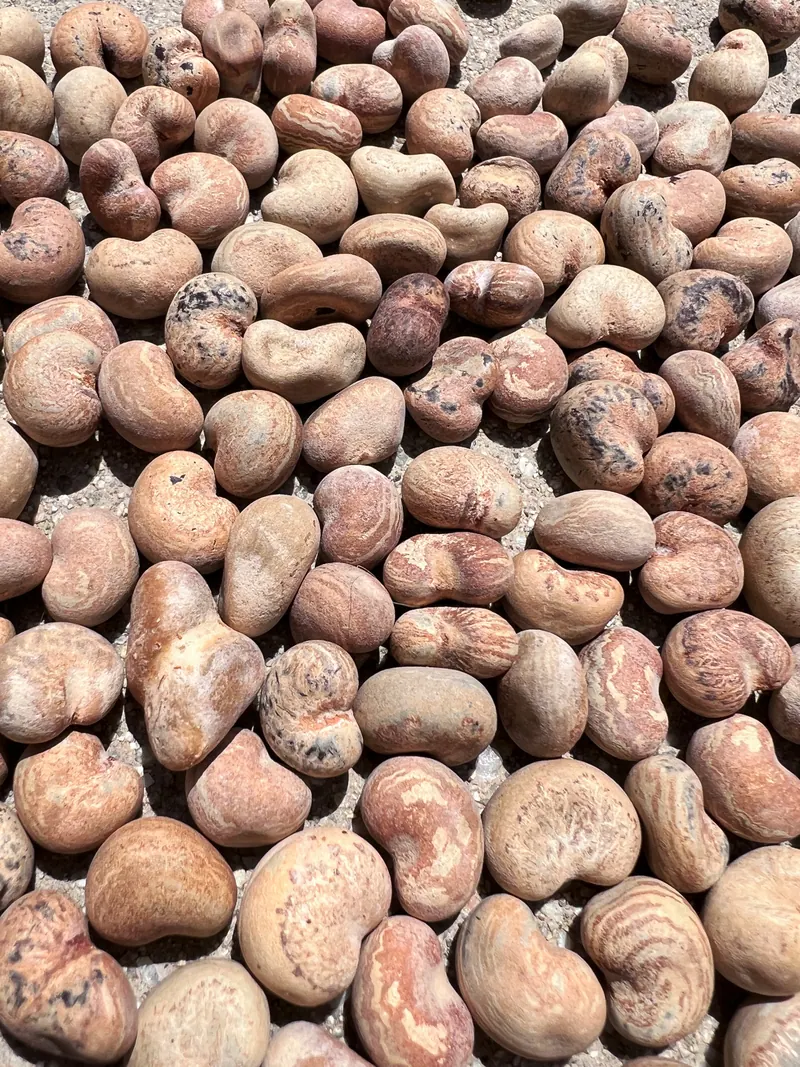
Gregorii seeds have a water-permeable coat and are one of the easier baobabs to germinate — a couple of days soaking in warm water usually does it. Seedlings stay small in their first year while they build a big taproot. Germination guide →
Other baobab species
African Baobab · Grandidier's Baobab · Malagasy Baobab · Za Baobab · Suarez Baobab · Fony Baobab · Perrier's Baobab
Grow your own
Adansonia gregorii
Australian Baobab Seeds
The Australian boab. Easy to sprout and stays small.
from $15
Choose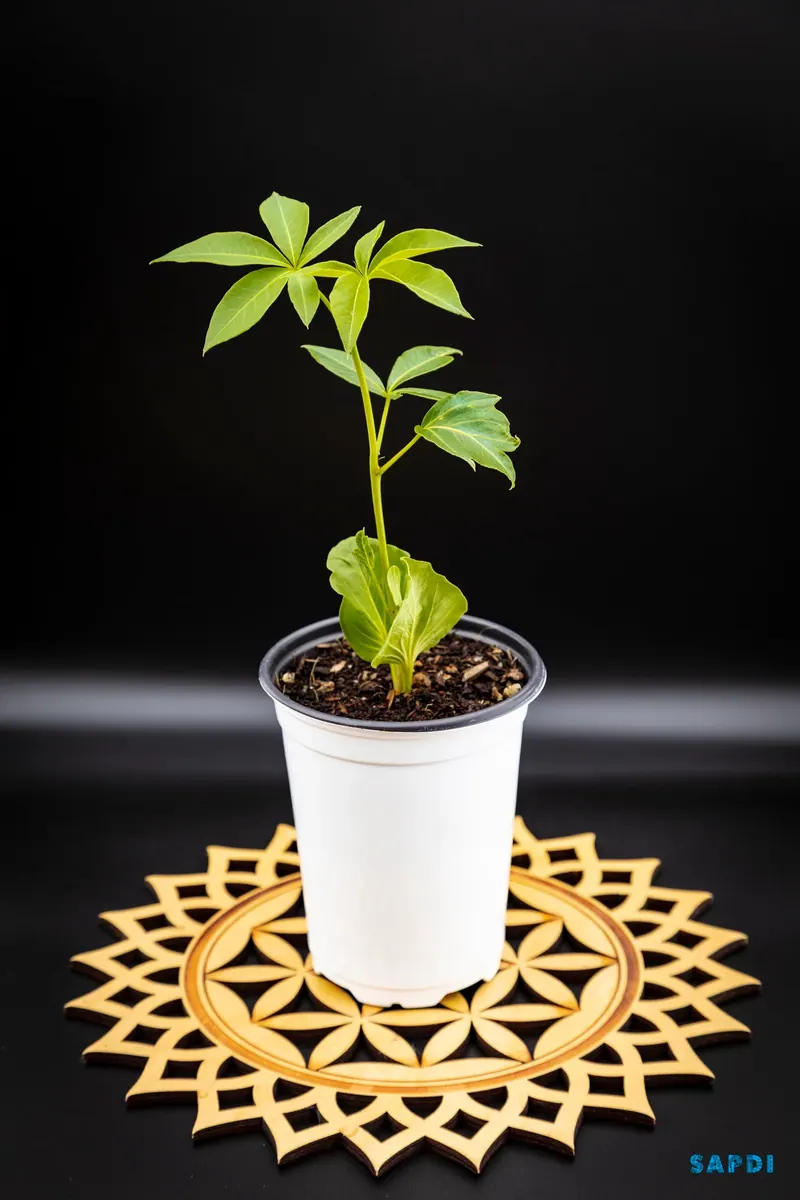

Adansonia gregorii
Australian Baobab — Live Tree
Bare-root Australian boabs. Compact and multi-trunked.
$45
Notify me