Germination guide
How to Germinate Baobab Seeds
Soak-and-sow, step by step: how I germinate baobab seeds, species-specific tips for digitata, gregorii, madagascariensis, za and suarezensis, and the other methods growers swear by.
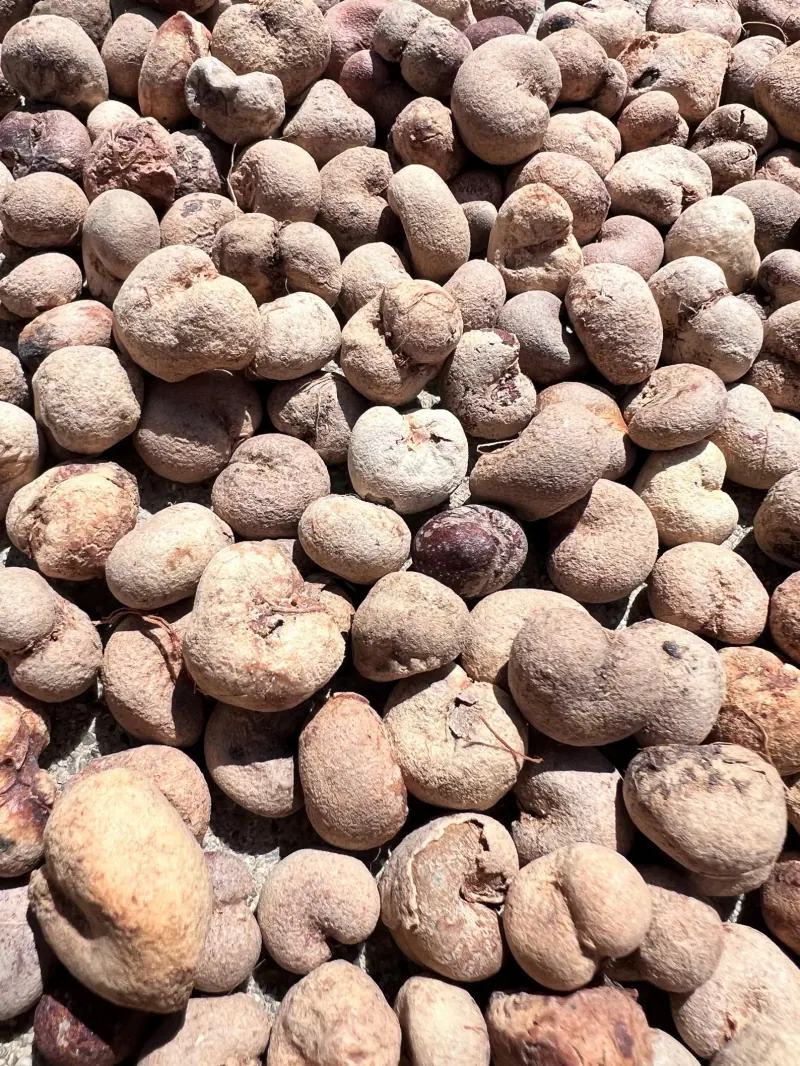
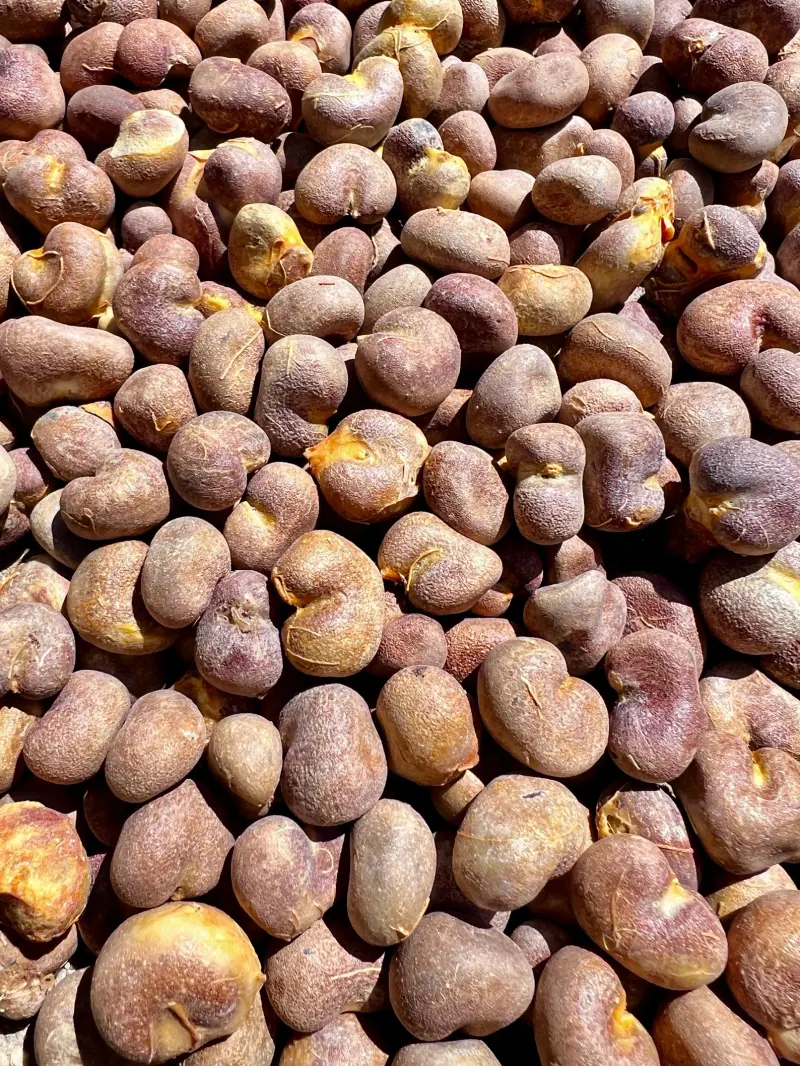
Wee little baobab embryos. Most baobab seeds have a thick, strong outer layer and can remain dormant for years (decades, even), which is great for storage and annoying when you want them to sprout now.
There are a lot of ways to germinate baobab seeds. Below is how I do it — the good ol’ soak-and-sow — followed by tips for specific species and the other methods people use. They all work, and they all don’t work. It depends on your environment. Try a few seeds a few ways and see what your setup likes.
The short version
- Soak in warm water for 24–72 hours. Change the water daily. Plant seeds once they swell. Still not expanding after 72 hours? Let them dry, then soak again.
- Plant about 1 inch deep in a loose mix: 50% cactus/citrus soil, 50% sand. Use a pot with drainage; keep the soil loose.
- Keep warm — 75°F (24°C) or warmer. Start outdoors in late spring or early summer; indoors works year-round.
- Water + wait. Keep soil moist, never soggy. Sprouts often take 1–4 weeks; some take longer. Transplant after several true leaves form.
My method, in detail
Storage. Store seeds in a cool, dry area until you’re ready.
Timing. Best to germinate outdoors in the late spring/early summer. Year-round germination indoors is always an option, as well — they just need the heat.
Soak. Soak your seeds in fresh, warm water for 24–72 hours prior to planting. Use fresh water each day and rub any decay off the seed. Check every day for softened coats — if they’re soft and swollen, they’re ready to plant. Some seeds will take longer than others. You can plant them all at once after soaking, or wait until each has swelled individually. If they haven’t swelled after 72 hours, dry them out before trying again.
Soil. Plant your seeds in a light soil that will not saturate. My go-to is 50% cactus/citrus soil and 50% sand. If you want to get fancier, a mix of 50% cactus potting soil, 25% coco coir or sand, and 25% crushed pumice, perlite, or pea pebbles also works great — anything that drains fast and stays airy.
Sow. Plant your seeds about 1 inch from the surface, and avoid packing your soil too tight. They need to stretch and breathe. Another way I like to do it: press the seeds slightly into a bed of sandy, well-draining soil, then pour a few inches of sand or cactus soil on top and water thoroughly.
Warmth + water. Keep your seeds warm (75°F+) and moist until they germinate. Depending on the species, this can take 1 week to 1 month. If a seed wasn’t soaked well enough before sowing, it may remain viable but dormant in the soil, so check to make sure.
Pests. Watch out — baby baobabs are a delicious treat for just about any living creature.
Transplant. Your seedling can be transplanted in about a month, once it has several true leaves. Baobabs hate the cold and they love the heat and sun. Avoid any hint of frost, and try to protect young trees from strong wind. They require very little fertilization, though they’re adaptable to more tropical environments as well. From here, head over to the seedling & tree care guide.
Tips for specific species
Adansonia digitata (African baobab)
Digitata seeds are best germinated by soaking in warm water for 24–36 hours and then sowing about 1 inch deep in consistently damp (but not saturated) soil. These seeds are common and typically have a great germination rate, though some seeds will take longer than others to pop up. Digitata seeds →
Adansonia gregorii (Australian baobab)
Gregorii seeds are easier to germinate than many of their cousins. They have a water-permeable coat that will swell with just a soak in warm water for a couple of days. It usually takes a couple of weeks for them to pop up, and they remain quite small for the first growth cycle, focusing a lot on building a large taproot. Gregorii seeds →
Adansonia madagascariensis
Madagascariensis seeds have a relatively high germination rate. Under the perfect conditions (AKA heat and moisture), they will germinate rapidly. You can nick the seed coat after soaking if you want to speed up germination, but I recommend patience, as the seedlings typically grow much more hearty without interference. Madagascariensis seeds →
Adansonia za
Zaha baobabs are close cousins to the madagascariensis baobabs and generally germinate rather easily. The dried fruit coating the seeds can be easily removed after soaking, though there is no need. After sowing, water twice a day. They typically take 1 or 2 weeks to germinate. Za seeds →
Adansonia suarezensis
Suarezensis seeds are more than double the size of their cousins (more like 3–4×), much more water permeable, and notoriously prone to rot while germinating. Don’t oversoak them — no more than about 24 hours; a long afternoon in warm water is often plenty to get them activated. Lay them navel down on a bed of 50% well-draining cactus/palm/citrus soil and 50% sand, cover the bed with 2–3 inches of clean sand, and water once a day, careful not to overdo it. Let things dry out a bit between waterings, and move them to regular soil quickly after they sprout. Some growers add a tablespoon of colloidal silver to the soaking water to help keep bacteria down. Suarez seeds →
Adansonia perrieri and rubrostipa
Perrier’s baobabs have very hard coats and can take some time — this is one where a little scarification (below) can help. Fony (rubrostipa) seeds are small and generally cooperative with a standard soak-and-sow.
Other germination methods
I stand by soak-and-sow because it’s the gentlest — it may take the longest, but it gives each seed the best shot without rot getting in the way. That said, plenty of growers get great results with more hands-on methods. Here’s what’s out there:
Scarification (nicking or filing). Carefully file, sand, or nick a small spot on the seed coat — on the side, away from the little “eye” where the root emerges — until you just see the lighter layer underneath. Then soak. Water gets in faster and germination is often quicker and more even. One customer put it well: “Filing down the seed on one side and then letting it soak made all the difference.” The risk is going too deep and damaging the embryo, or opening a door for rot, so go slow.
Hot-water soak. Pour hot (not boiling-on-the-stove) water over the seeds and let them sit as the water cools, usually overnight, then continue with a normal warm soak. The heat softens the coat. Some people use water just off the boil; if you try it, test on a few seeds first.
Paper towel or baggie method. After soaking, wrap seeds in a damp paper towel inside a zip bag and keep it somewhere warm (the top of a fridge, a seedling heat mat). Check daily and pot up each seed as soon as the root tip appears. You get to watch what’s happening — but you have to handle the tender root when you transplant, and mold can creep in if it stays too wet.
Heat mats and humidity domes. Not a separate method so much as a boost for any of them. A seedling heat mat under the tray keeps things at germination temperature indoors. If you use a dome, crack it open for airflow — stagnant, humid air is how rot starts.
Acid scarification. Commercial growers sometimes soak very hard seeds briefly in sulfuric acid to thin the coat. I don’t recommend this at home — it’s dangerous, and filing gets you most of the way there.
Direct sowing in the ground. If you live somewhere warm enough to grow baobabs outdoors year-round, you can sow straight into the ground in late spring after soaking. Plant in a sandy, fast-draining spot, and protect the sprouts — every critter in the neighborhood will want a bite. More on that in where baobabs can grow outdoors.
Whatever you choose: warmth, a loose mix that never stays soggy, and patience. When it comes to fostering life, your best friends are trial & error, and Google.
Grow Baby Grow!
Common questions
How long do baobab seeds take to germinate?
Usually 1 to 4 weeks after sowing, depending on the species and how warm they are. Za and gregorii are often up in 1–2 weeks; some seeds take longer, and an under-soaked seed can sit dormant in the soil.
How long should I soak baobab seeds?
24–72 hours in warm water, changed daily. Plant the ones that swell. Suarezensis is the exception — no more than about 24 hours, because it rots easily.
What soil should I use to germinate baobab seeds?
My recommendation is 50% cactus/citrus soil and 50% sand. A mix with pumice or perlite works well too. The key is that it stays loose and never waterlogged.
What temperature do baobab seeds need?
75°F (24°C) or warmer. Start outdoors in late spring or early summer, or indoors any time of year with warmth.
Grow your own
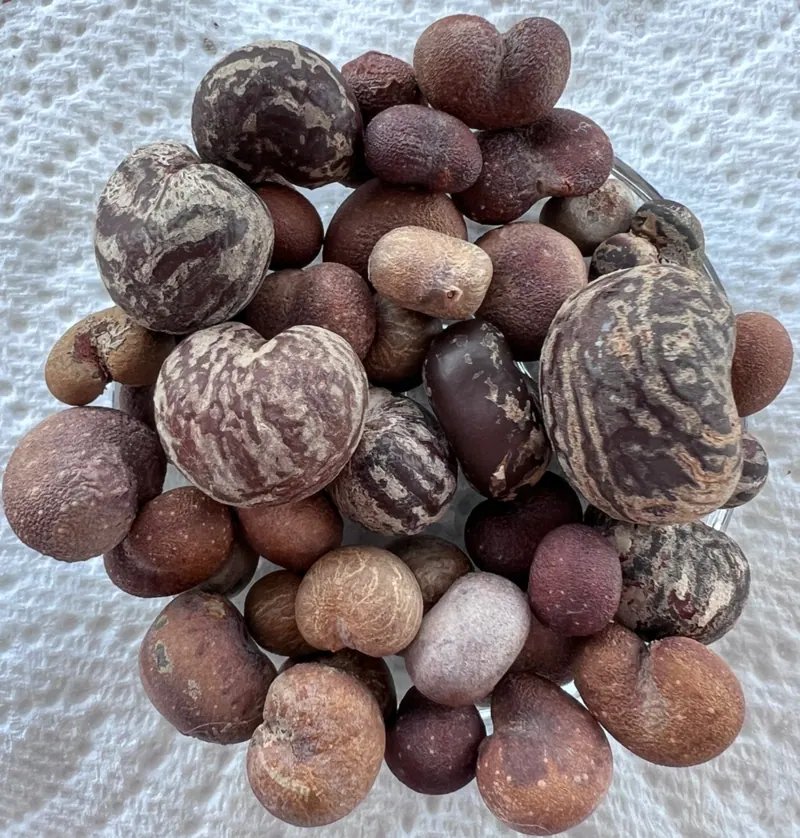
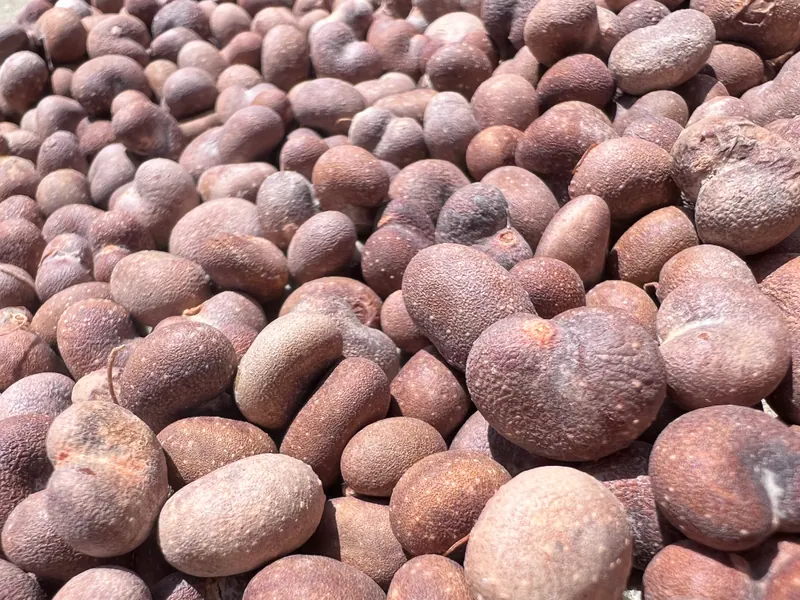
Adansonia digitata
African Baobab Seeds
The African baobab. Easiest to grow and the best place to start.
from $5
Choose