
Journal
Why baobabs rot, and how to prevent it
Rot is the most common way baobabs die. Let’s explore what causes it, how to spot it early, and how to save a tree that has already started to rot.
Rot is the most common reason baobabs die, more than cold or pests. It is also almost entirely preventable.
The key idea: water only helps a baobab when the tree is actively using it. The rest of the time, water sits around the roots and creates the conditions for rot.
Why baobabs are prone to rot
Baobabs come from places with a short, hot, rainy summer and a long, dry, mild winter. They store water in their thick trunks and go dormant during the dry season: no leaves, no growth, and very little water use.
When a baobab is watered on a regular houseplant schedule, it often gets water while it's dormant and can't use it. The soil stays wet, the roots sit in it, and rot starts at the roots and moves up.
Common causes
Watering during dormancy. This is the most common cause. When the leaves drop in fall, the tree has stopped growing for the year. Cut back to a small amount of water about once a month, just enough to keep the soil from drying out completely. Don't resume regular watering until new leaves appear in spring.
Cold, wet soil. Cold slows the tree down further and keeps the soil from drying. Below about 55°F, the tree should be kept dry and brought indoors.
Heavy soil. Regular potting soil holds too much water. The recommended mix is 50% cactus/citrus soil and 50% sand. A more varied option is 50% cactus soil, 25% sand and 25% pumice or perlite. Water should drain through quickly.
Not enough drainage. For pots, use about four times as many drainage holes as you normally would. A single small hole in a large pot is not enough.
A pot that's too big. A small tree in a large pot leaves a lot of soil that the roots don't reach, and that soil stays wet for days. Increase pot size gradually as the tree grows.
Saucers and decorative pots. If the pot sits in a tray of water or inside a decorative pot with no holes, the bottom of the root ball never dries. Empty the saucer after watering.
Seeds and seedlings. Seeds can rot before they sprout if they sit in soggy soil or are soaked too long. This is especially true of Suarez seeds. Keep germination mixes moist but never wet. See the germination guide for details.
How to spot rot
Check the base of the trunk regularly with a gentle squeeze.
- Firm and plump: healthy.
- Firm but wrinkly: thirsty. During the growing season, give it a deep watering about once a week. During dormancy, some wrinkling is normal and doesn't means it needs water.
- Soft or squishy: treat it as rot until proven otherwise.
Other signs include dark or blackened patches near the soil line, bark that looks wet or slimy, a sour smell from the pot (baobabs stink like heck when rotting), or leaf drop in the middle of summer while the soil is still damp.
A dormant baobab can look like a bare stick and still be healthy. A dormant baobab with a soft trunk is not.
How to treat a rotting baobab
Act quickly; rot doesn't stop on its own.
- Unpot the tree and gently remove or rinse the soil from the roots so you can see the damage.
- Cut away all soft or brown tissue with a clean, sharp blade. Keep cutting until the cut surface is clean, firm and pale. Any rot left behind will spread again. Wipe the blade between cuts.
- Let it dry. Leave the tree in a shaded spot with good airflow for several days, until the cuts have sealed and feel dry. Some growers dust the cuts with cinnamon or sulfur powder first.
- Repot in fresh, dry, fast-draining mix, in a pot sized to the remaining roots.
- Hold off on water for about a week, then water lightly. During the growing season, the tree will start taking up water again once it has recovered.
Summary
- Stop watering almost completely once the leaves drop.
- Keep the tree dry when it's cold.
- Use sandy, fast-draining soil, plenty of drainage holes, and no standing water.
- Check the trunk regularly. A soft trunk needs attention right away.
- When in doubt, don't water. Treat it like a succulent or cactus.
For watering through the seasons, see the seedling & tree care guide.
Common questions
What causes root rot in baobabs?
Water sitting around the roots when the tree isn't using it. This usually happens during dormancy, in cold weather, or in dense soil and pots without enough drainage.
How can I tell if my baobab is rotting?
Squeeze the base of the trunk. Firm (even if wrinkly) is fine. Soft, squishy, dark, or sour-smelling is rot.
Can a rotting baobab be saved?
Often, if you catch it early. Unpot it, cut away all soft tissue until you reach clean, firm tissue, let it dry for several days, then repot in dry, fast-draining soil and hold off on water.
Grow your own
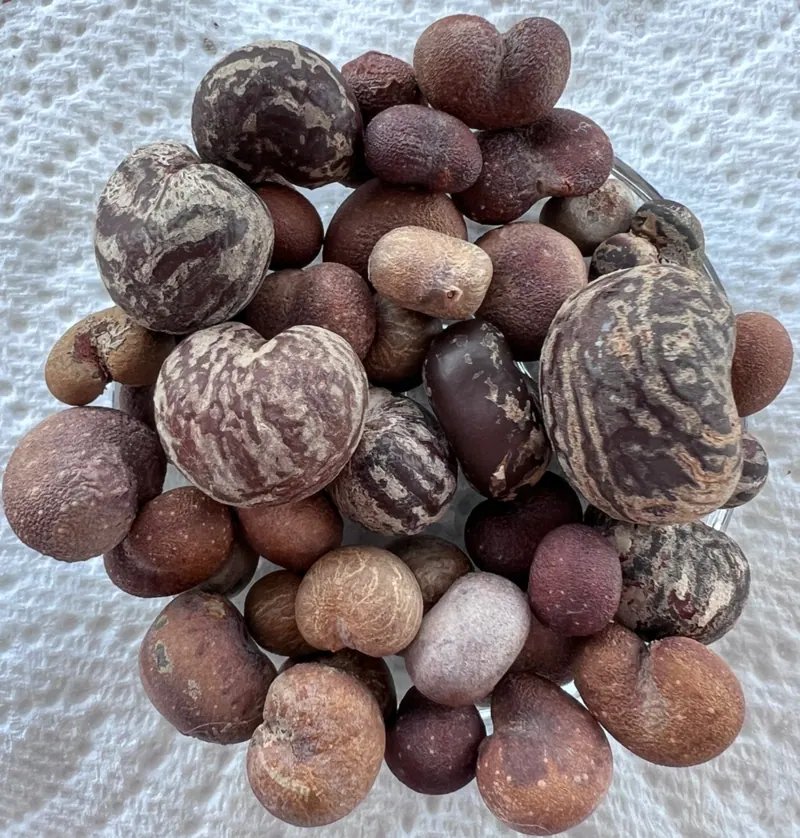
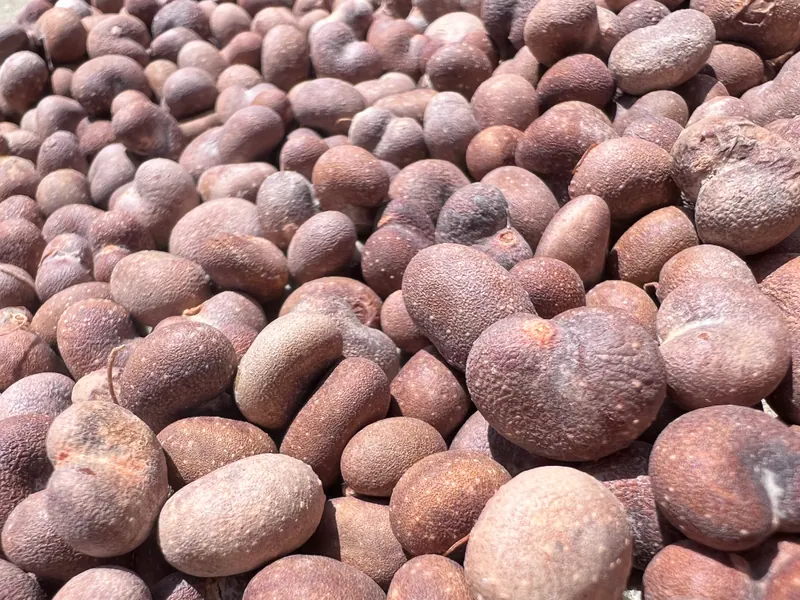
Adansonia digitata
African Baobab Seeds
The African baobab. Easiest to grow and the best place to start.
from $5
Choose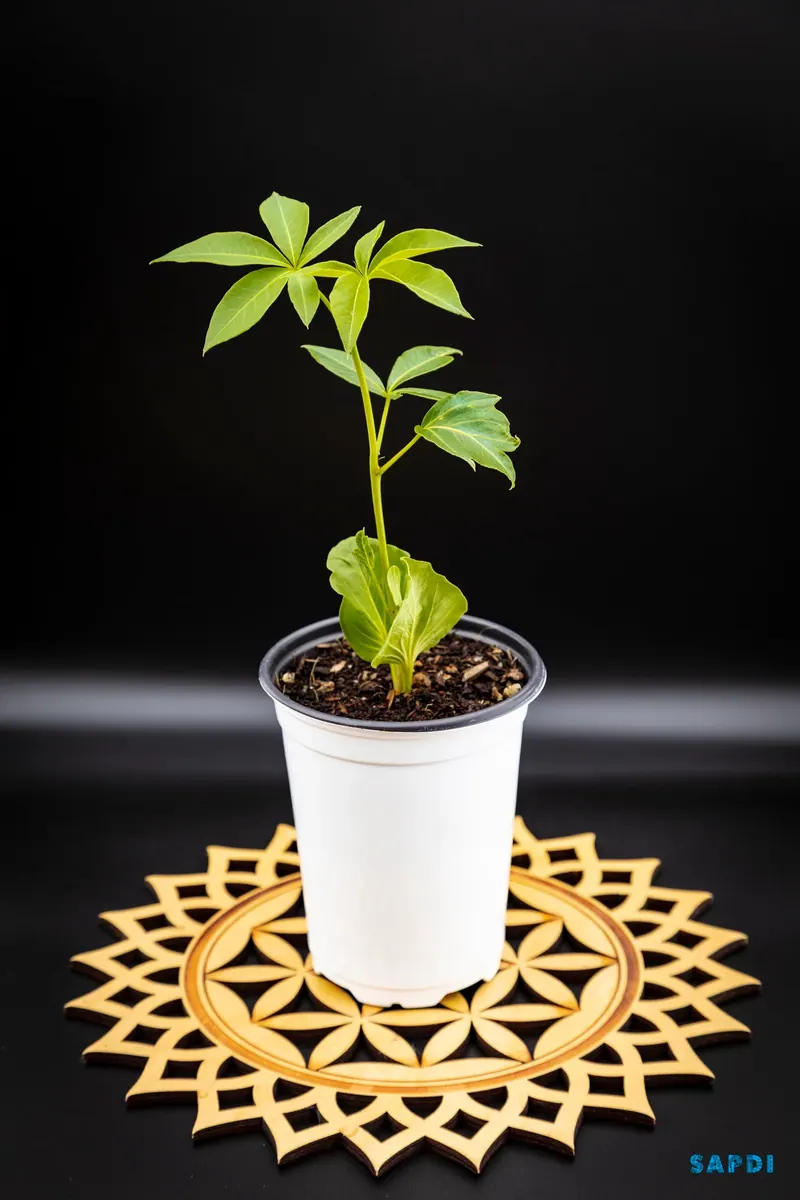
Adansonia gregorii
Australian Baobab — Live Tree
Bare-root Australian boabs. Compact and multi-trunked.
$45
Notify me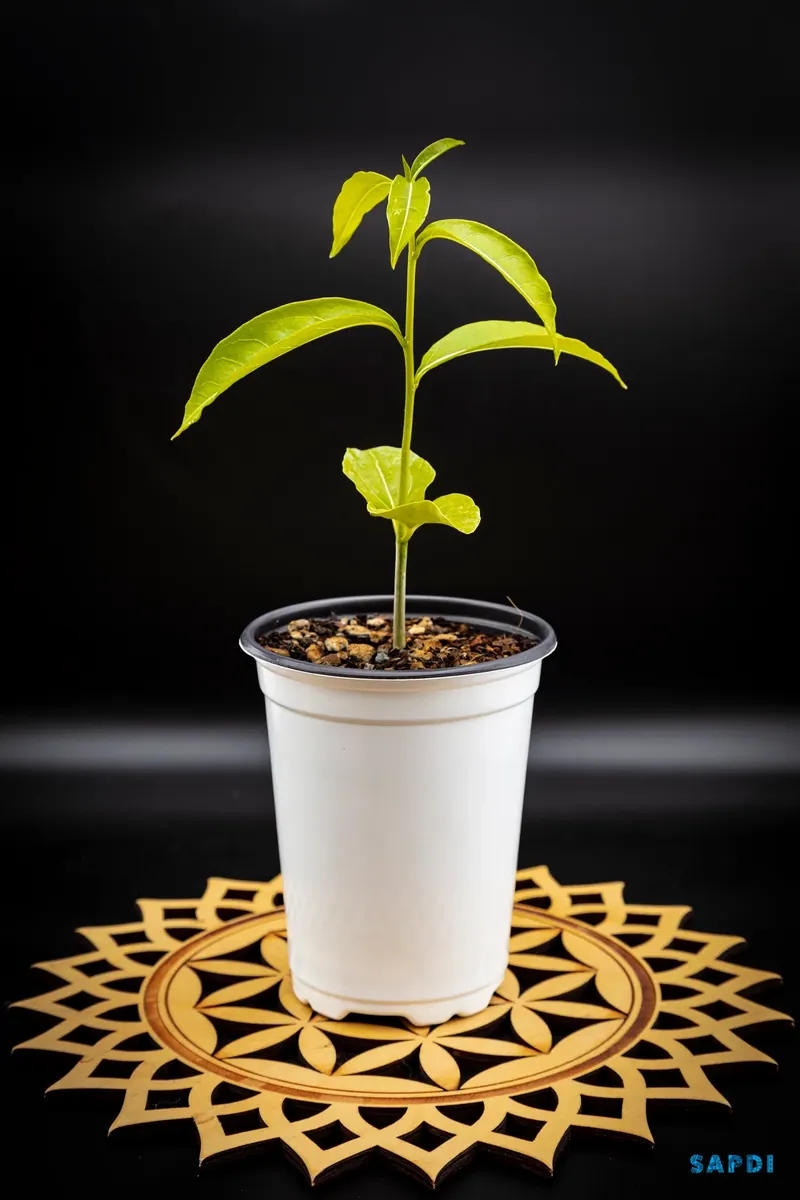
Adansonia madagascariensis
Malagasy Baobab — Live Tree
Bare-root Malagasy baobabs. Fast growers.
$90
Notify me